AJ POWER · ENGINEERING & BMS

Custom battery engineering.From concept to production.

Work directly with AJ Power on electrical design, mechanical integration and BMS development. Turn your application requirements into a defined battery system, validation plan and production specification.

Design
Electrical, mechanical & thermal
Control
BMS logic & communication
Evidence
Inspection & project reports
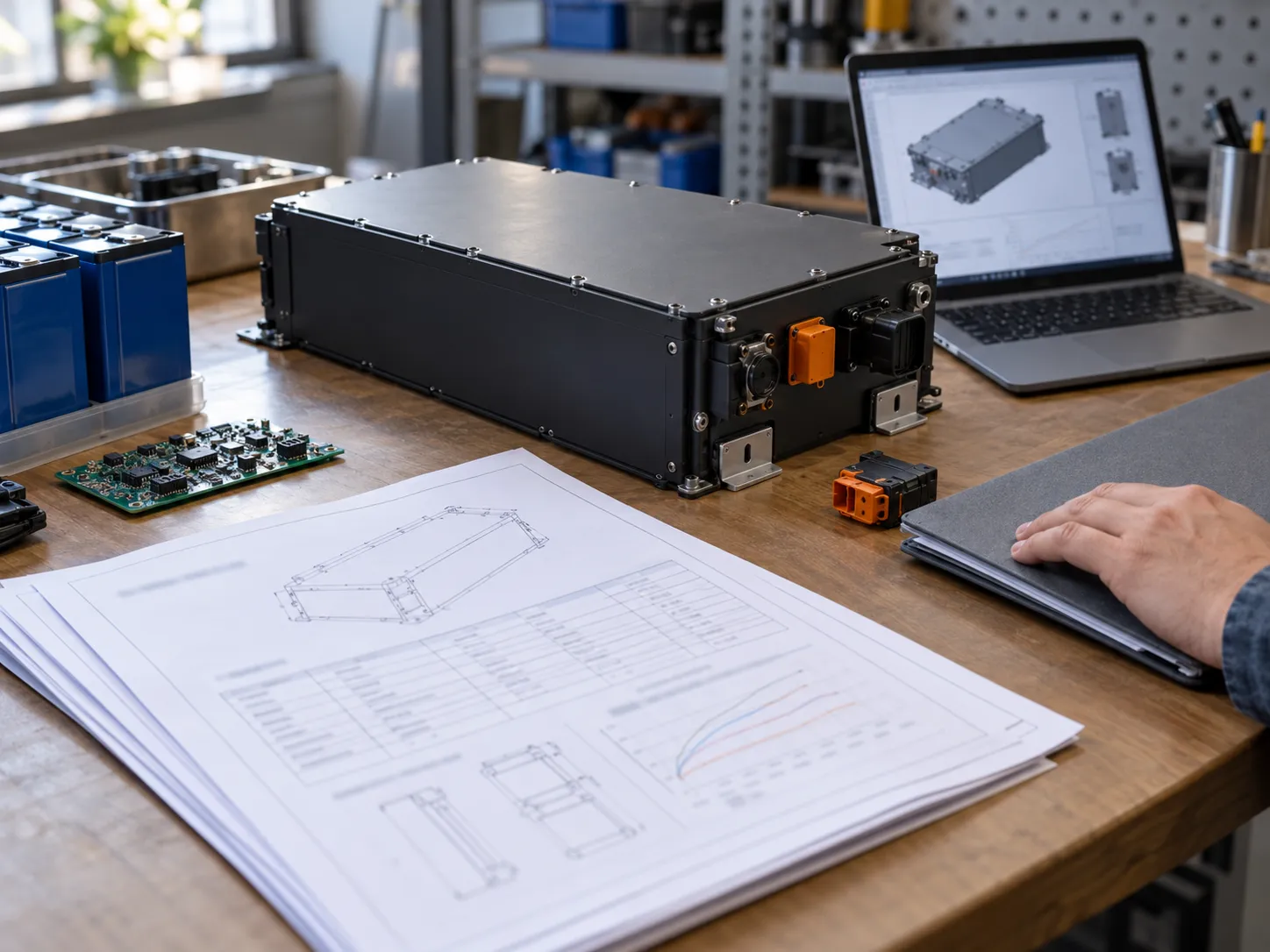
Concept of custom prismatic-cell battery engineering and BMS development at a workbench
AI-generated engineering concept

01 / YOUR ENGINEERING PARTNER

A direct conversation about your battery system.

Engineer Li, Senior Battery Engineer, leads the development approach with 10+ years of lithium battery R&D experience. The team works through load conditions, design trade-offs and validation requirements with your engineers.

  • Application before components

    Define the load, environment, operating states and installation space before selecting a cell or BMS.

  • Clear design decisions

    Review electrical limits, thermal paths, assembly access and service requirements together.

  • Defined acceptance criteria

    Agree the checks, data and documents needed before the design is released for production.

02 / THE SEVEN-STEP PROCESS

Custom battery engineering, with a deliverable at each step.

The seven steps connect requirements, design, build and verification. Test scope, documentation and release criteria are agreed for your model and project.

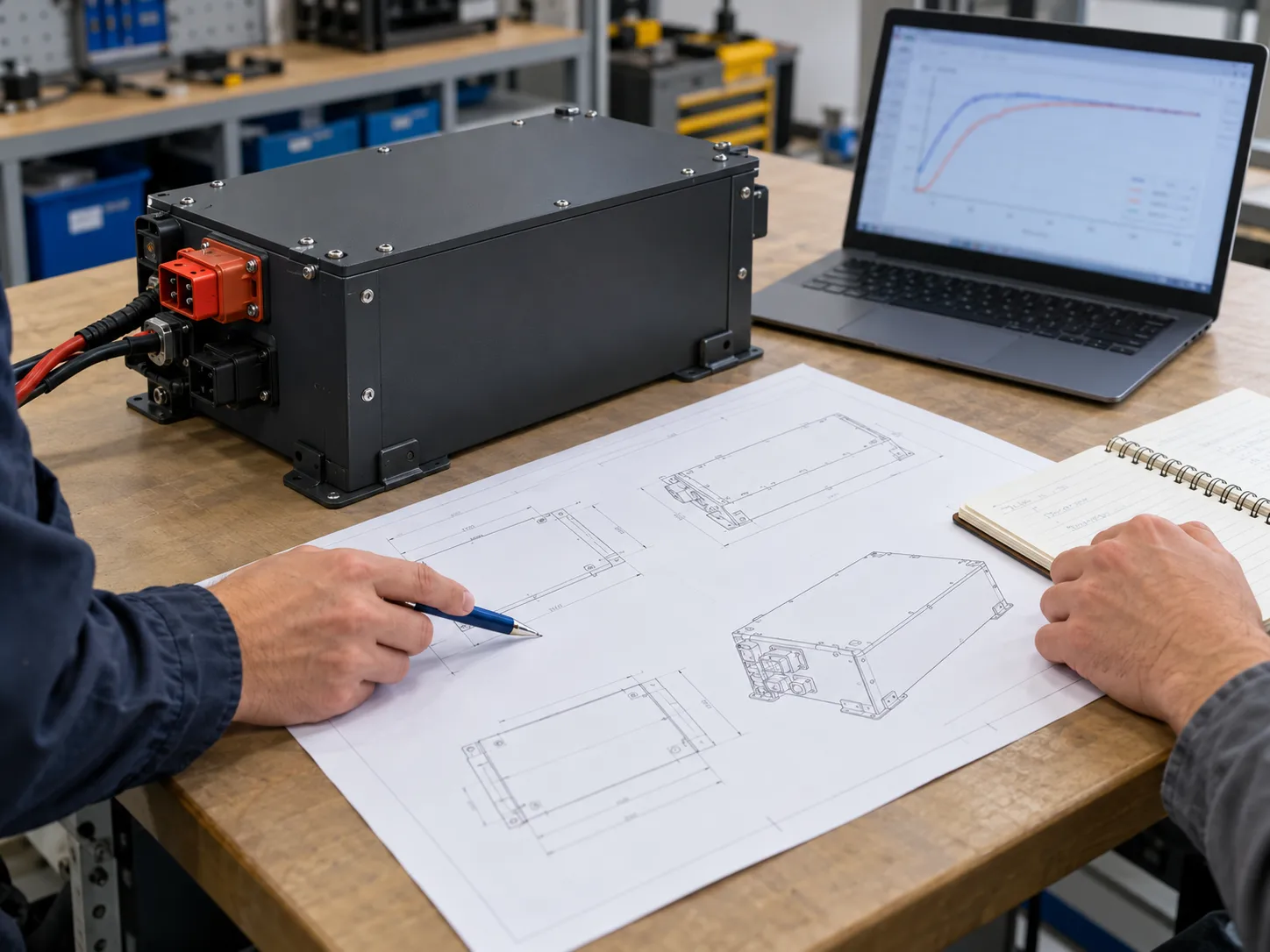
Concept of battery requirements review with drawings and a load-profile chart

01 / 07

Requirement & workload audit

Translate the application into a workable engineering brief.

  • Review continuous and peak loads, charging routine and environment.
  • Record voltage, usable energy, dimensions and acceptance criteria.

Engineering output

An agreed requirements list and feasibility review.

Discuss this engineering step
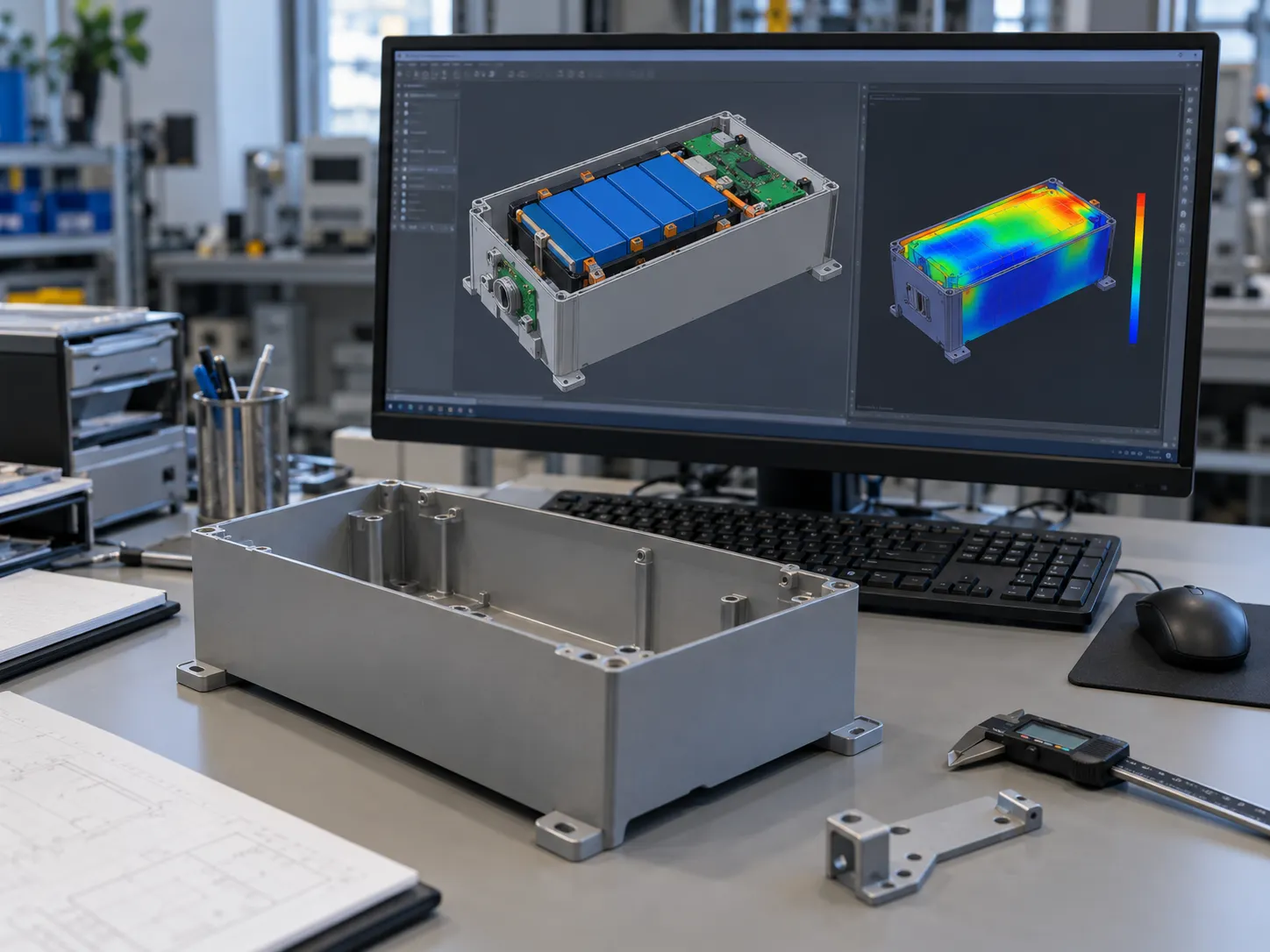
Concept of battery enclosure DFM and thermal design review

02 / 07

Electrical & mechanical DFM

Develop a battery architecture that can be built, integrated and serviced.

  • Review cell layout, current paths, protection and connector placement.
  • Assess enclosure, mounting and thermal behavior; agree any simulation scope.

Engineering output

Electrical architecture, mechanical drawings and design-review actions.

Discuss this engineering step
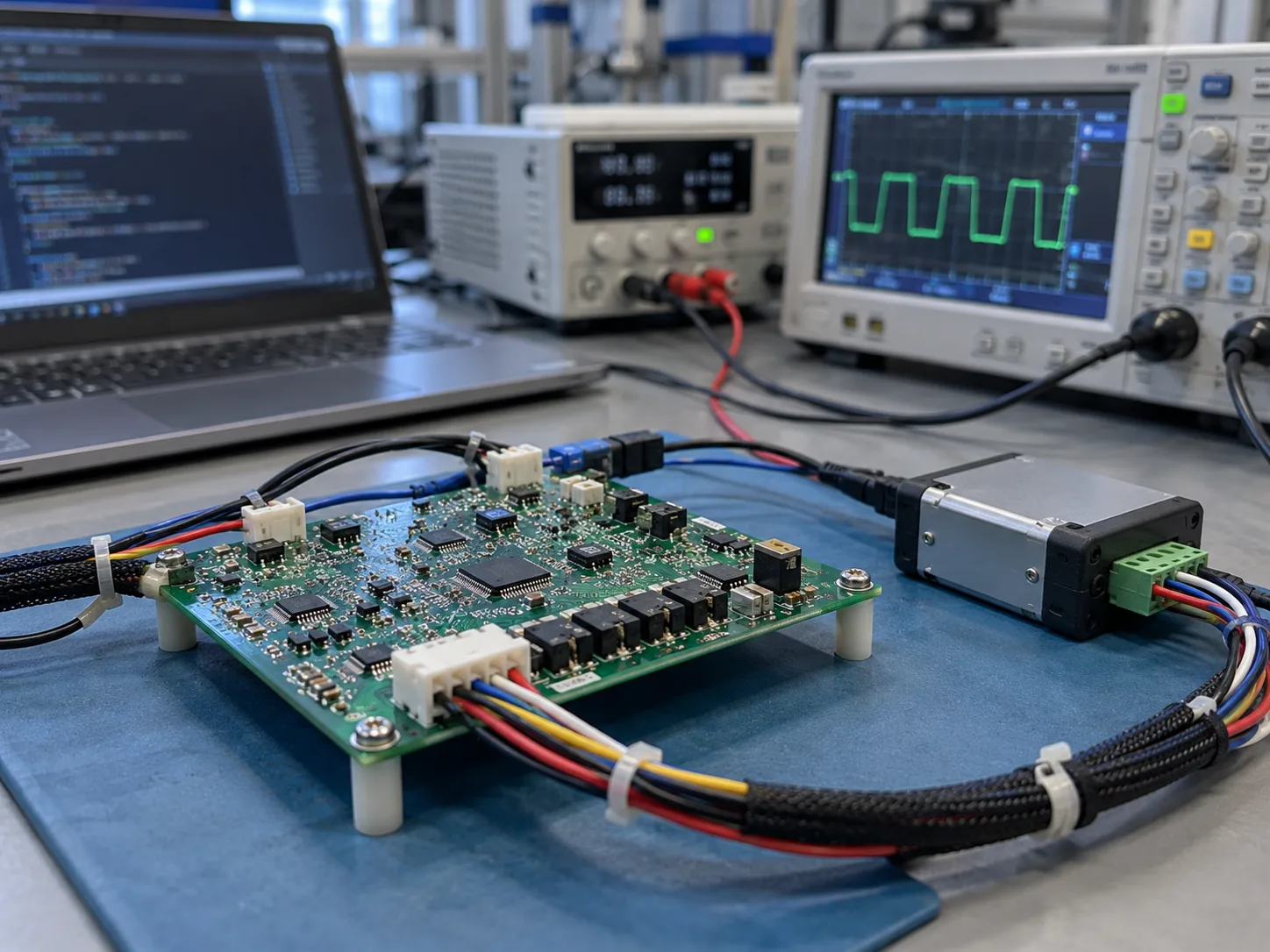
Concept of BMS firmware and communication development with bench instruments

03 / 07

BMS logic, firmware & communication

Define how the pack protects itself and coordinates with the host equipment.

  • Specify control states, thresholds, diagnostics and fault responses.
  • Agree CAN, CANopen or RS485 implementation and test with the actual controller.

Engineering output

A BMS development scope, interface definition and validation plan.

Discuss this engineering step
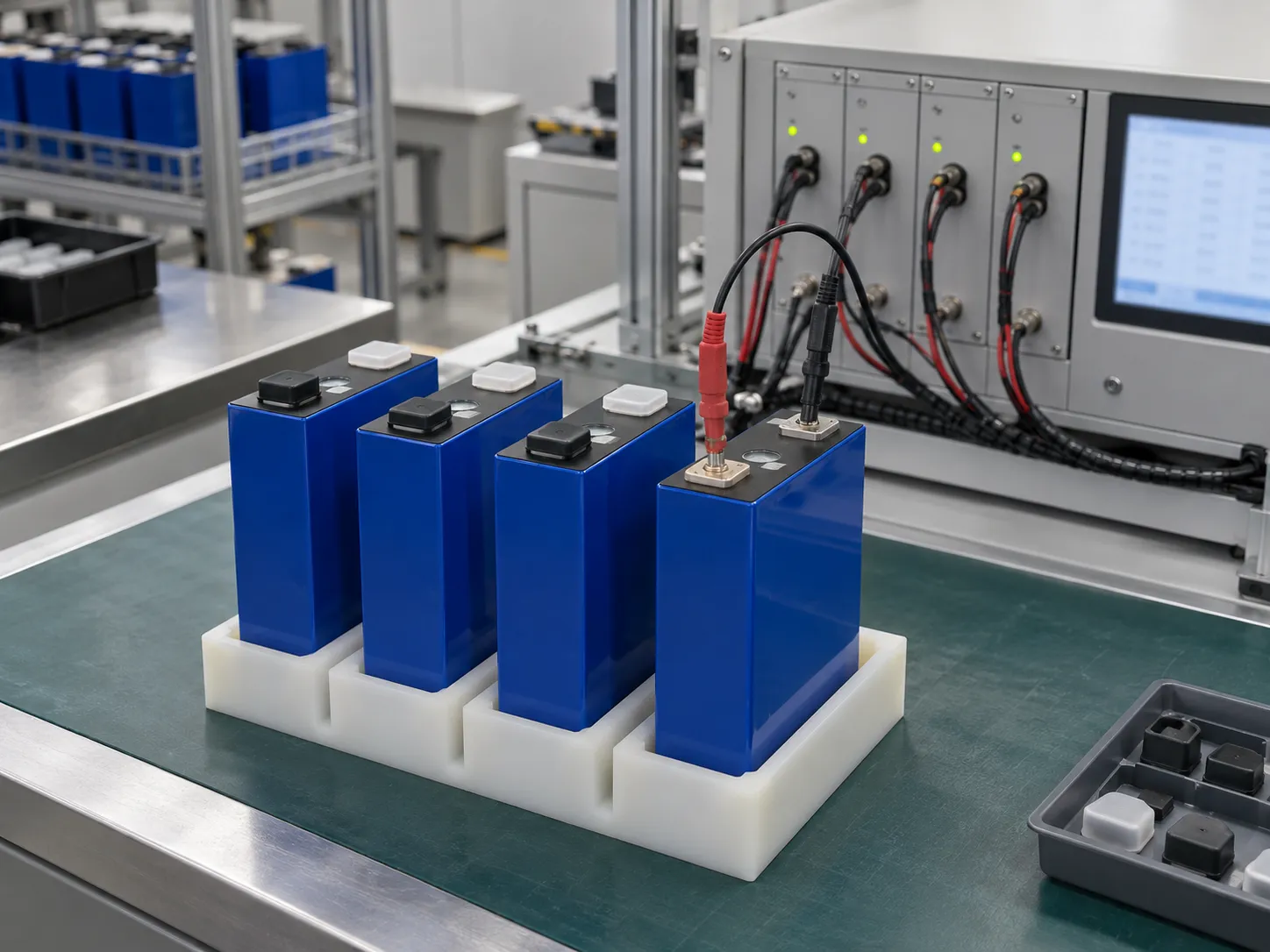
Concept of prismatic-cell grading and matching using a cell analyzer

04 / 07

Precision cell grading

Match cells using defined screening procedures and consistent conditions.

  • Review capacity, voltage and internal-resistance criteria.
  • Record screening results and the grouping method used for the build.

Engineering output

Cell screening and matching records for the agreed process.

Discuss this engineering step
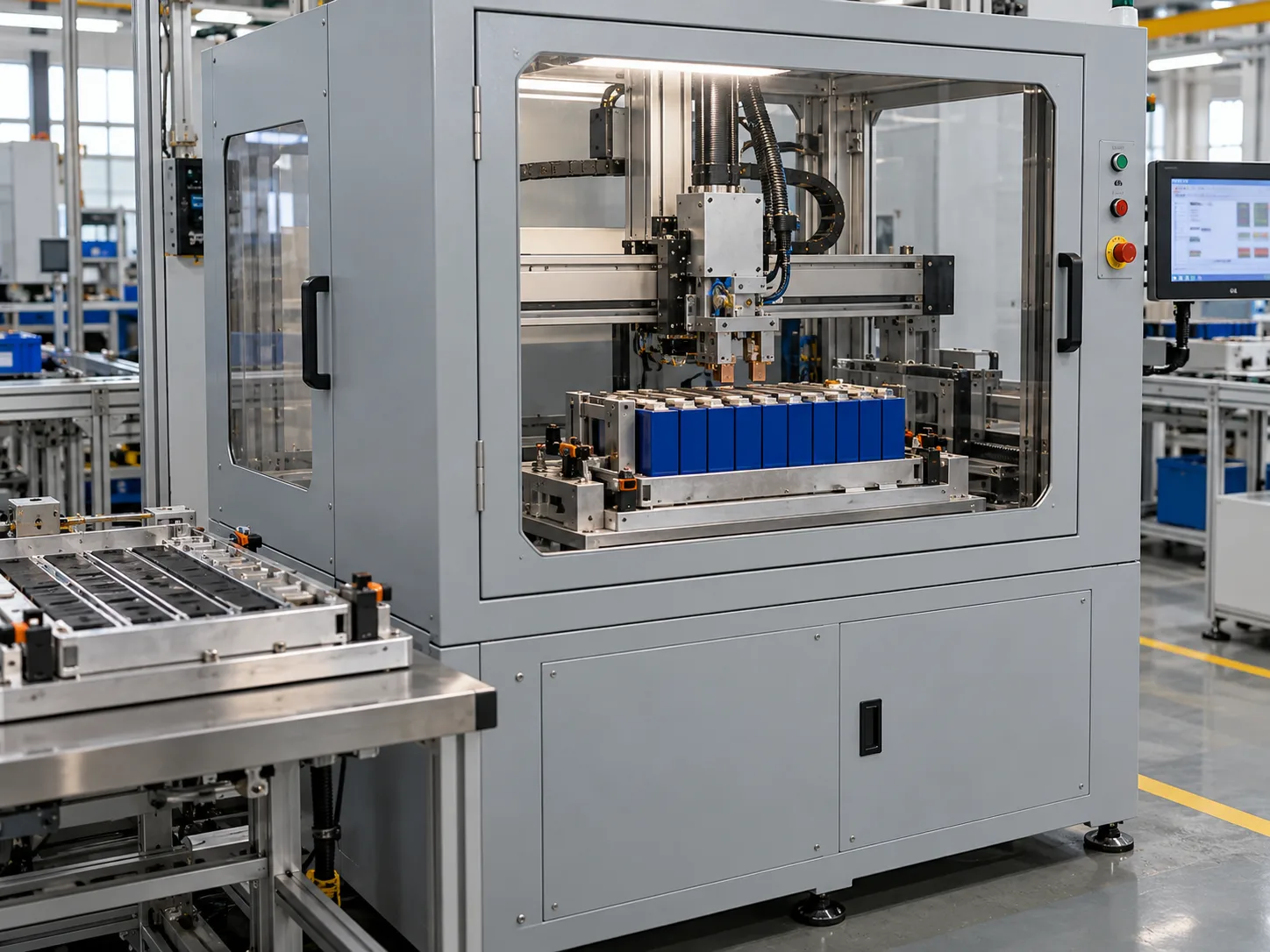
Concept of enclosed precision battery assembly and welding equipment

05 / 07

Precision assembly & welding

Control the build through suitable fixtures, joining methods and inspection.

  • Review insulation, retention, strain relief and assembly checks.
  • Select spot welding, laser welding or another joint process to suit the cell design.

Engineering output

Assembly checks, joint inspection and traceability records.

Discuss this engineering step
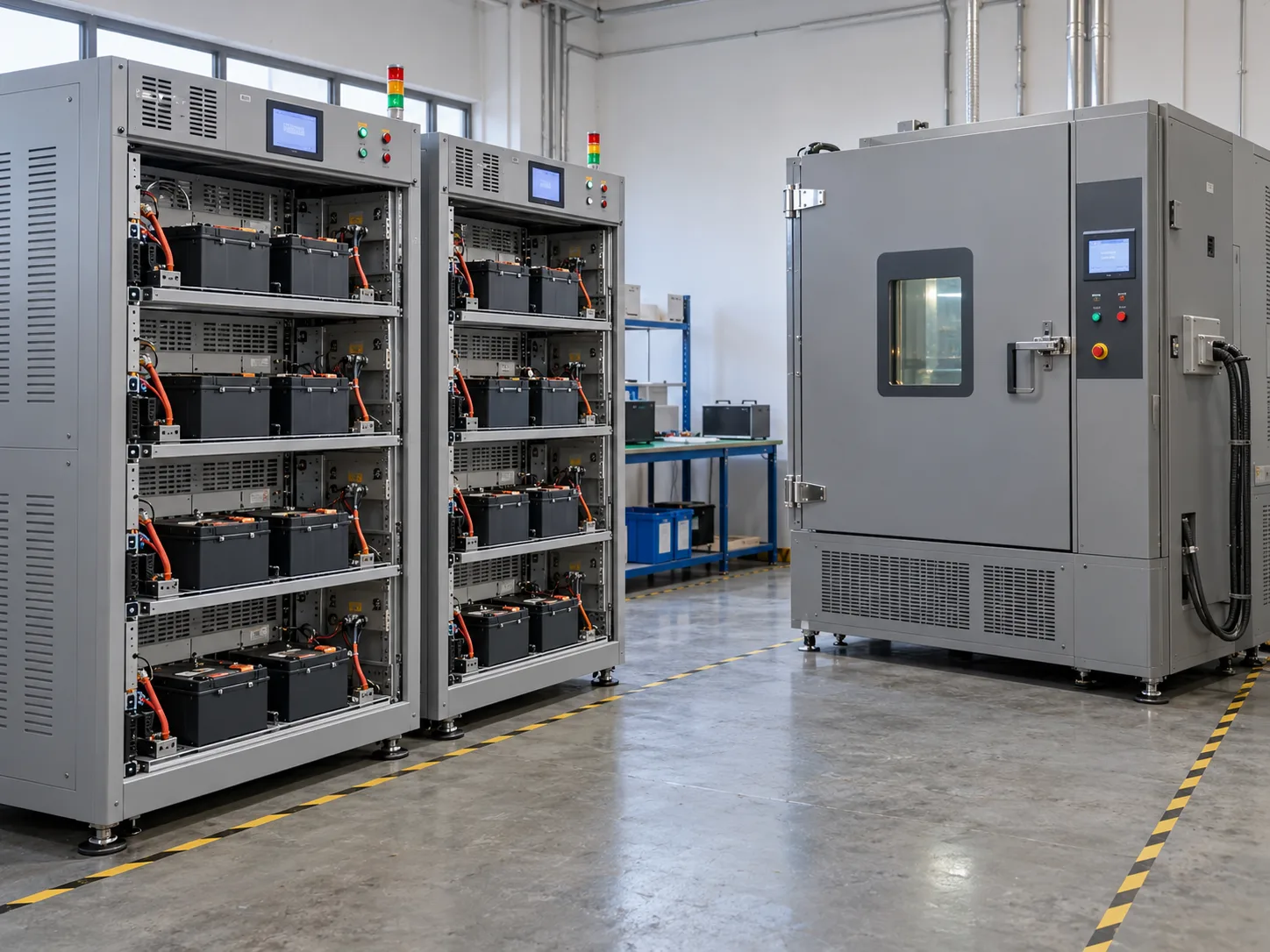
Concept of battery burn-in racks and a closed temperature test chamber

06 / 07

Burn-in & validation testing

Separate routine production checks from model-specific qualification.

  • Perform the agreed production inspection and burn-in procedure.
  • Set environmental, cycle, vibration or stress tests according to the project.

Engineering output

Individual final inspection data and the agreed validation reports.

Discuss this engineering step
Concept of a model-specific battery technical documentation package

07 / 07

Technical documentation & compliance support

Prepare the documents required for the supplied model and target application.

  • Coordinate applicable safety and transport documentation.
  • Define the required test summaries, conformity information and SDS with the project.

Engineering output

An agreed model-specific technical-document package.

Discuss this engineering step

Engineering and equipment visuals are AI-generated illustrations; they are not photographs of the actual facility or Engineer Li.

03 / QUALITY & TESTING

Quality control. Data tied to the supplied pack.

Each supplied battery pack is accompanied by corresponding final inspection data. Additional test reports are provided according to the model, customer requirements and agreed project scope.

Concept of prismatic-cell grading and matching using a cell analyzer

Cell consistency

Screening and grouping records support the agreed cell-selection process.

Concept of enclosed precision battery assembly and welding equipment

Build control

Assembly, insulation and joint checks connect the build to its production records.

Concept of battery burn-in racks and a closed temperature test chamber

Validation scope

Burn-in and project qualification are documented with their test conditions and acceptance criteria.

Engineering and equipment visuals are AI-generated illustrations; they are not photographs of the actual facility or Engineer Li.

04 / REPORTS & DOCUMENTATION

Ask for the right evidence.

Inspection data, model qualification and market documentation serve different purposes. Define the package with your engineering team.

DocumentCoverageHow to specify it
Final inspection dataThe supplied battery pack.Agree the measured items, acceptance limits and pack identification.
Qualification reportThe tested model or configuration under the stated conditions.Define test method, sample scope, revision and acceptance criteria.
Transport informationThe applicable battery design and shipment requirements.Confirm the relevant UN 38.3 test summary and supporting information.
Market documentationThe model, application and destination market.Agree applicable conformity documents and safety data; an SDS is not a product certification.

UN 38.3 summaries concern design testing; they do not replace unit inspection data. PHMSA: lithium battery test summaries ↗

EU conformity requirements depend on the applicable product and legal scope. EU Batteries Regulation ↗

05 / START THE DESIGN REVIEW

Bring the requirements you already have.

  1. Application & load

    Equipment, voltage, usable energy, continuous/peak current and operating schedule.

  2. Mechanical & thermal

    Available dimensions or drawings, mounting, cable exits and ambient conditions.

  3. BMS & interface

    Controller details, protocol files, charging coordination and fault-handling needs.

  4. Quality & delivery

    Validation needs, required documents, target quantities and development milestones.

PRACTICAL QUESTIONS

Before starting your custom battery project.

What should I provide for an engineering review?
Start with the application, load profile, voltage, capacity or runtime target, installation dimensions and environment. Add controller and charger details when available. Explain which drawings or 3D requirements you need to share on the contact page.
Can the BMS be adapted to our controller?
The development scope is agreed around the actual controller and signals. Define the interface, protocol, control states, update timing and failure behavior, then validate the implementation with your equipment.
Does every pack undergo every qualification test?
No. Each supplied pack has corresponding final inspection data. Routine inspection and burn-in follow the agreed production process; environmental or other qualification reports apply to the tested model and conditions. Additional reports are selected for the project.
Are UN 38.3, CE documentation and an SDS the same thing?
No. They serve different purposes. Transport test summaries, applicable conformity documentation and safety data should be identified separately for the model and destination. Ask the team to define the document package your project requires.

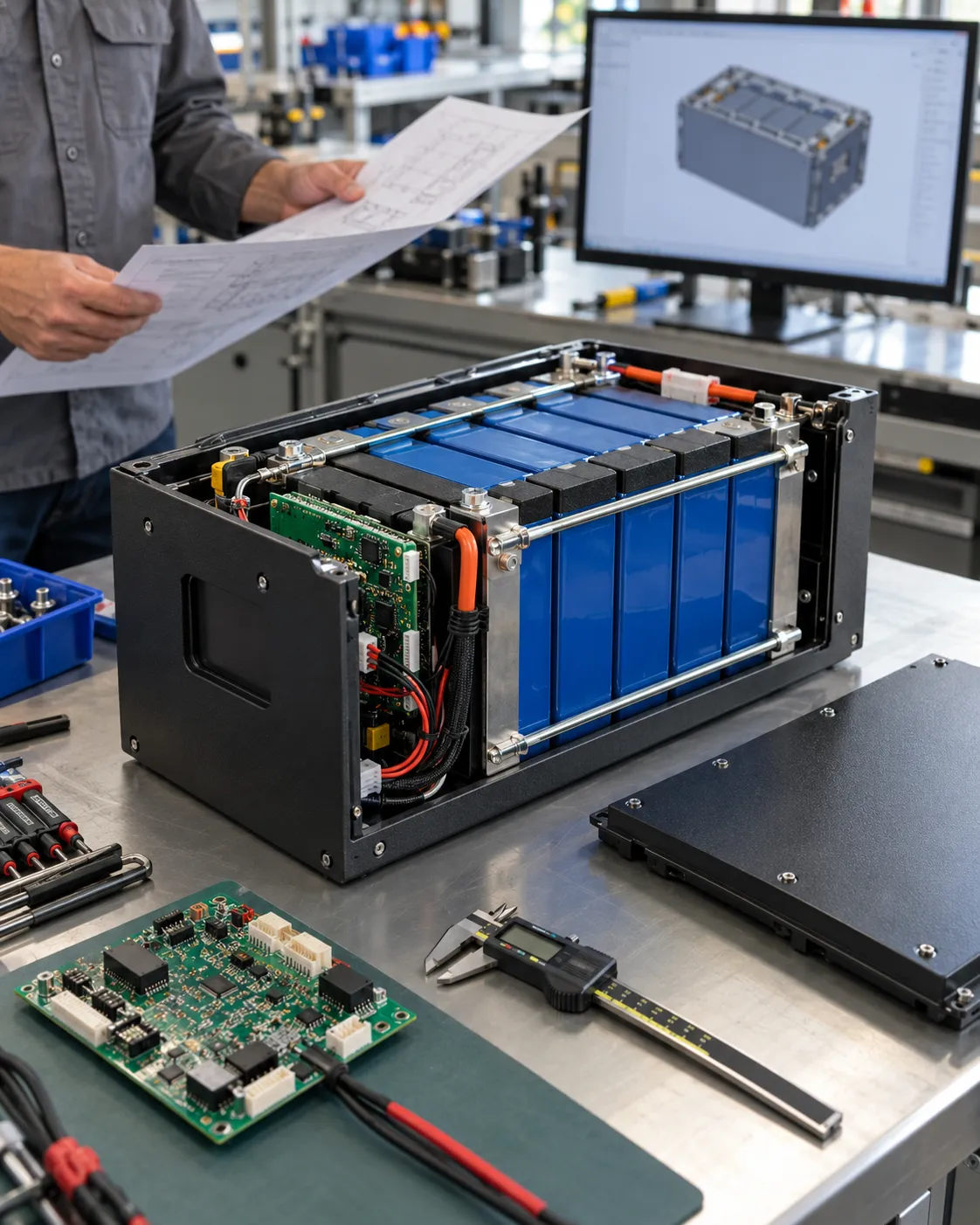
WORK WITH THE ENGINEERING TEAM

Define the system. Plan the evidence.

Use our contact page to share your application and describe any technical drawings or 3D dimensional requirements. The team will discuss the design inputs, validation scope and next development steps.

Ready to review your custom battery system?

Consult our engineering team Explore OEM battery services ↗Browse lithium battery packs ↗Tell us which drawings, dimensions and project documents you need to share.