
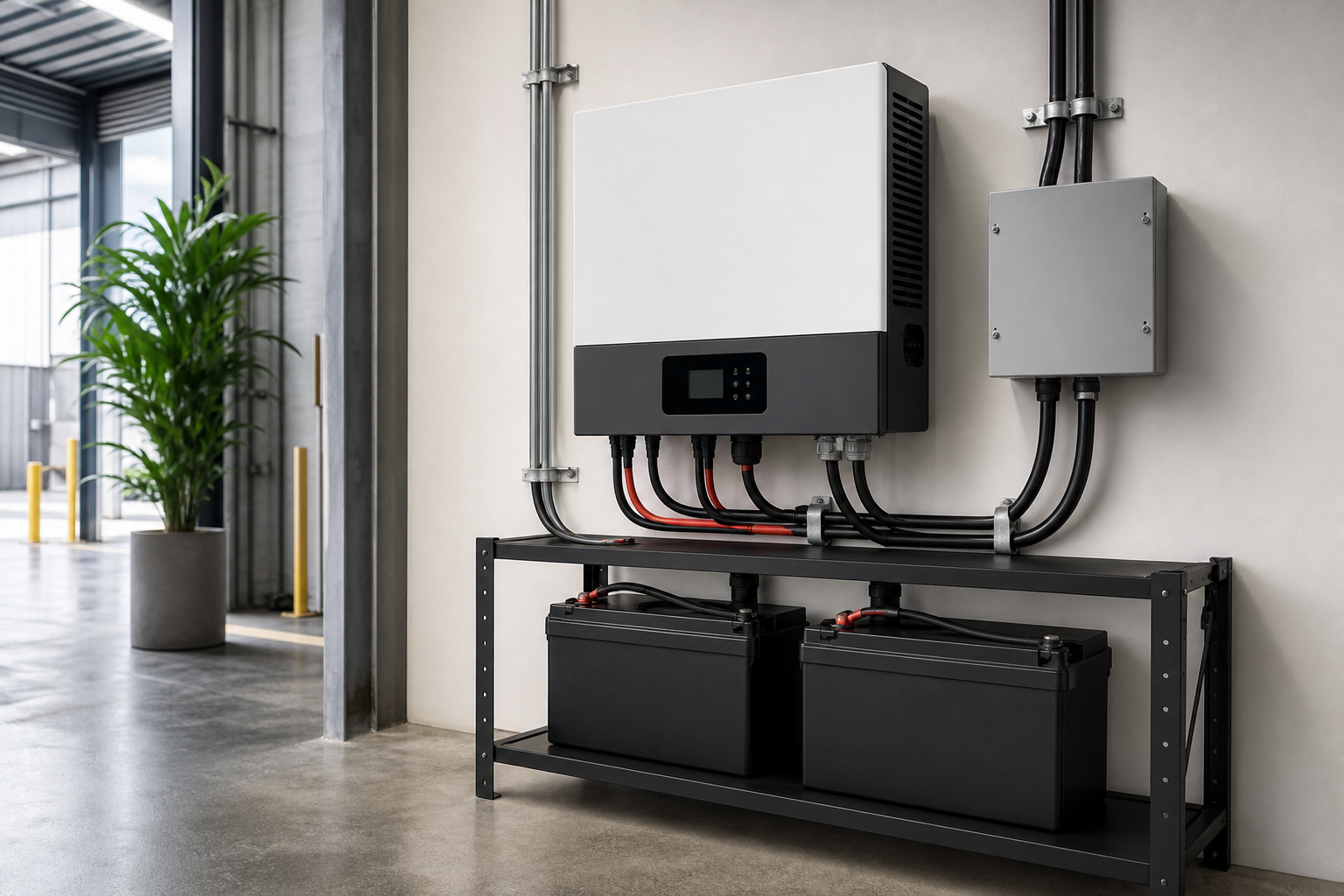
Most buyers assume a 2000 watt solar generator will deliver 2000 watts continuously, but field failures show that ambient temperature, cable runs, and surge loads often cut real output by 10–20%. If you’re specifying or installing these systems, you need to plan for more than just the nameplate rating. This guide covers the technical and practical checks that actually matter for B2B buyers, installers, and distributors.
What does a 2000 watt solar generator actually deliver in the field?
The rated 2000 watt output is usually a peak or short-term figure, not a continuous one. In practice, continuous output is limited by inverter efficiency, battery discharge rate, and ambient temperature. For example, a system rated at 2000 watts may only deliver 1600–1800 watts continuously at 35°C, especially if the inverter derates above 25°C. Always check the continuous output rating at your expected site temperature, not just the peak figure on the spec sheet.
In the field, I’ve seen installations trip out or overheat when loads push the system near its rated maximum for more than 10–15 minutes. If your application involves motors or compressors, check the surge rating—many 2000 watt solar generators can only handle 3000–4000 watt surges for a few seconds. Anything longer risks inverter shutdown or battery protection triggering.
Ask suppliers for a table of continuous vs. peak output at different temperatures. If they can’t provide it, assume a 10–20% derating in hot climates. This is a common cause of undersized systems and unhappy end users.
How do I size a 2000 watt solar generator for real-world loads?
Start by listing all loads, including their starting (surge) and running wattages. Many buyers forget that devices like pumps, fridges, or power tools draw 2–3 times their rated power at startup. Add up the total running load and the highest combined surge load to size both the inverter and battery.
Battery capacity is just as critical. For a 2000 watt load running 2 hours, you need at least 4 kWh usable battery capacity. If the battery is LiFePO4, check the rated cycles at 80% DoD—expect 2000–4000 cycles for most commercial packs. Lead-acid batteries will have lower cycle life and higher weight for the same usable energy.
Include a safety margin of 20% on both inverter and battery sizing to account for cable losses, inverter inefficiency, and future load growth. Undersizing is the most common field failure, especially when procurement only looks at nameplate ratings.
What are the most common installation failures with 2000 watt solar generators?
Insufficient clearance for ventilation is a top cause of inverter and battery overheating. I’ve seen units installed flush against walls, with no airflow, leading to thermal shutdowns on hot days. Always follow the manufacturer’s minimum clearance guidelines—typically 150–300 mm on all sides.
Poor cable routing is another frequent issue. Long, undersized cables cause voltage drop and wasted energy. For a 2000 watt system at 24V DC, cable runs over 5 meters should use at least 16 mm² copper to keep losses below 3%. Always check the cable sizing tables and route cables away from heat sources and sharp bends.
Service access is often overlooked. If you can’t reach terminals, fuses, or the BMS for inspection, you’ll lose hours on routine maintenance. Plan access before installation, not after the cabinet is bolted down.
Which technical specifications matter most when sourcing a 2000 watt solar generator?
Don’t just compare wattage and price. Battery chemistry (LiFePO4 vs. lead-acid), cycle life at stated DoD, enclosure IP rating, and inverter efficiency are all critical. For outdoor or mobile use, an IP54 or higher enclosure is needed to prevent dust and moisture ingress.
Ask for the following in every supplier quote:
- Continuous and peak inverter output at 25°C and 40°C
- Battery usable capacity (kWh) and cycle life at 80% DoD
- Enclosure IP rating
- Certifications (IEC 62619 for batteries, IEC 62109 for inverters)
- Dimensions and weight
Compare suppliers using a table like the one below. Don’t assume all 2000 watt solar generators are built to the same standard.
| Specification | Supplier A | Supplier B |
|---|---|---|
| Continuous Output (W @ 35°C) | 1800 | 1600 |
| Battery Chemistry | LiFePO4 | Lead-acid |
| Usable Capacity (kWh) | 4.0 | 3.2 |
| Cycle Life @ 80% DoD | 3000 | 800 |
| Enclosure IP Rating | IP54 | IP21 |
| Certifications | IEC 62619 | None |
How do ambient temperature and installation environment affect performance?
Ambient temperature above 25°C reduces both inverter output and battery cycle life. In hot climates, expect a 10–20% reduction in continuous output and accelerated battery aging. Install units in shaded, ventilated locations whenever possible.
Humidity and dust are also concerns. For outdoor or industrial sites, specify at least IP54 enclosures. If the generator will be moved frequently, check that handles, wheels, and connectors are rated for repeated use and rough handling.
Never install a 2000 watt solar generator in a sealed cabinet without forced ventilation. I’ve seen batteries swell and inverters fail prematurely due to trapped heat and moisture.
What procurement checks prevent mismatched expectations?
Always request a full specification sheet with measurement conditions for every key parameter. Cycle life must be stated at a defined DoD and temperature. If a supplier only quotes a single cycle life figure, ask for the test standard (e.g., IEC 62619) and the test conditions.
For B2B orders, clarify the minimum order quantity, lead time, and payment terms up front. AJPOWER, for example, sets an MOQ of 10 units and typical lead times of 30–45 days for mass production. Always confirm these details before committing to a purchase order.
Ask for references or case studies from similar installations. If a supplier can’t provide them, treat it as a warning sign. Field-proven systems are less likely to fail in your application.
How should installers plan for service and maintenance?
Plan for regular inspection of terminals, fuses, and BMS status indicators. Installers should ensure that all service points are accessible without removing the entire unit from its mounting or enclosure. This is often skipped in tight spaces, leading to costly service visits later.
Document all cable runs, breaker locations, and battery serial numbers during installation. This makes troubleshooting and warranty claims much faster. Keep a log of all maintenance actions and battery cycle counts if possible.
For portable or rental applications, check that all connectors are rated for the expected number of mating cycles and that spare parts are available from the supplier. Don’t assume generic connectors will fit—verify with the supplier’s technical drawings.
What are the next steps for buyers and installers?
Review your load profile and installation environment in detail before requesting quotations. Specify the required continuous output, battery chemistry, usable capacity, and enclosure rating. Ask suppliers to confirm all ratings at your site conditions, not just at 25°C in a lab.
Request a technical assessment or site survey if you’re unsure about cable runs, ventilation, or service access. The cost of a site visit is far less than the cost of a failed installation or warranty claim.
Finally, compare at least two supplier quotes using a technical table, not just price. This is the only way to avoid the most common field failures and ensure your 2000 watt solar generator delivers as promised.
Frequently asked questions
What is the typical usable battery capacity for a 2000 watt solar generator?
Usable battery capacity depends on chemistry and design, but for a 2-hour 2000 watt load, you need at least 4 kWh usable. Always check the supplier's rated usable capacity, not just nominal.
How does ambient temperature affect a 2000 watt solar generator's output?
Continuous output can drop by 10–20% at ambient temperatures above 25°C. Inverters and batteries both derate in heat, so always check ratings at your site temperature.
Which certifications should I require for a 2000 watt solar generator?
For batteries, IEC 62619 is the recognized safety standard. For inverters, IEC 62109 applies. Always request certificates and check that they match the quoted model.
AJPOWER-Battery