AJ POWER · INDUSTRIAL SOLAR

LiFePO4 solar battery packs.Engineered for outdoor duty.

Custom solar battery packs for street lighting, off-grid CCTV and outdoor equipment. AJ Power helps OEMs define the battery around local climate, daily energy demand and installation constraints.

Climate
Temperature & charging strategy
Energy
Load & no-sun autonomy
Integration
Enclosure & controller fit
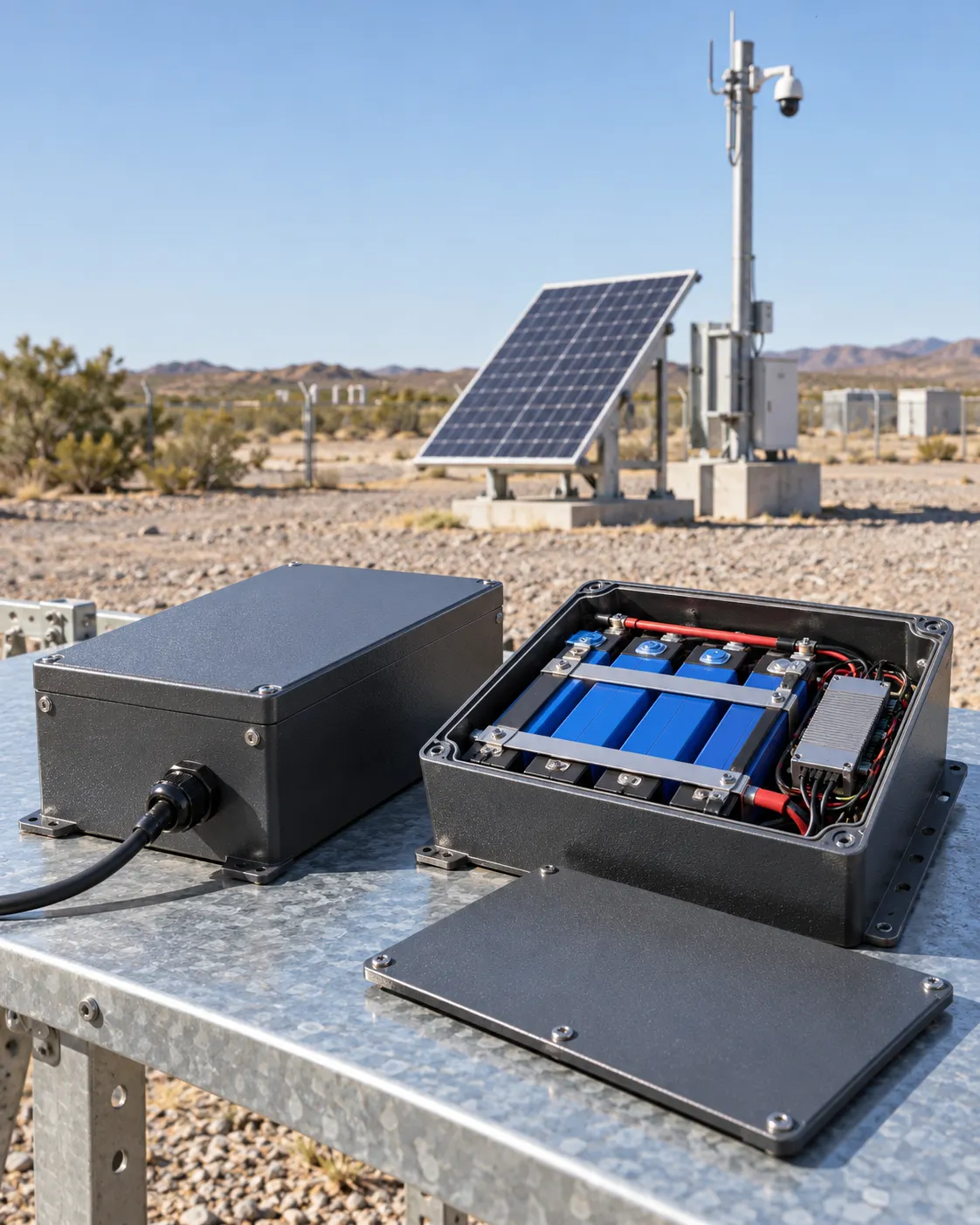
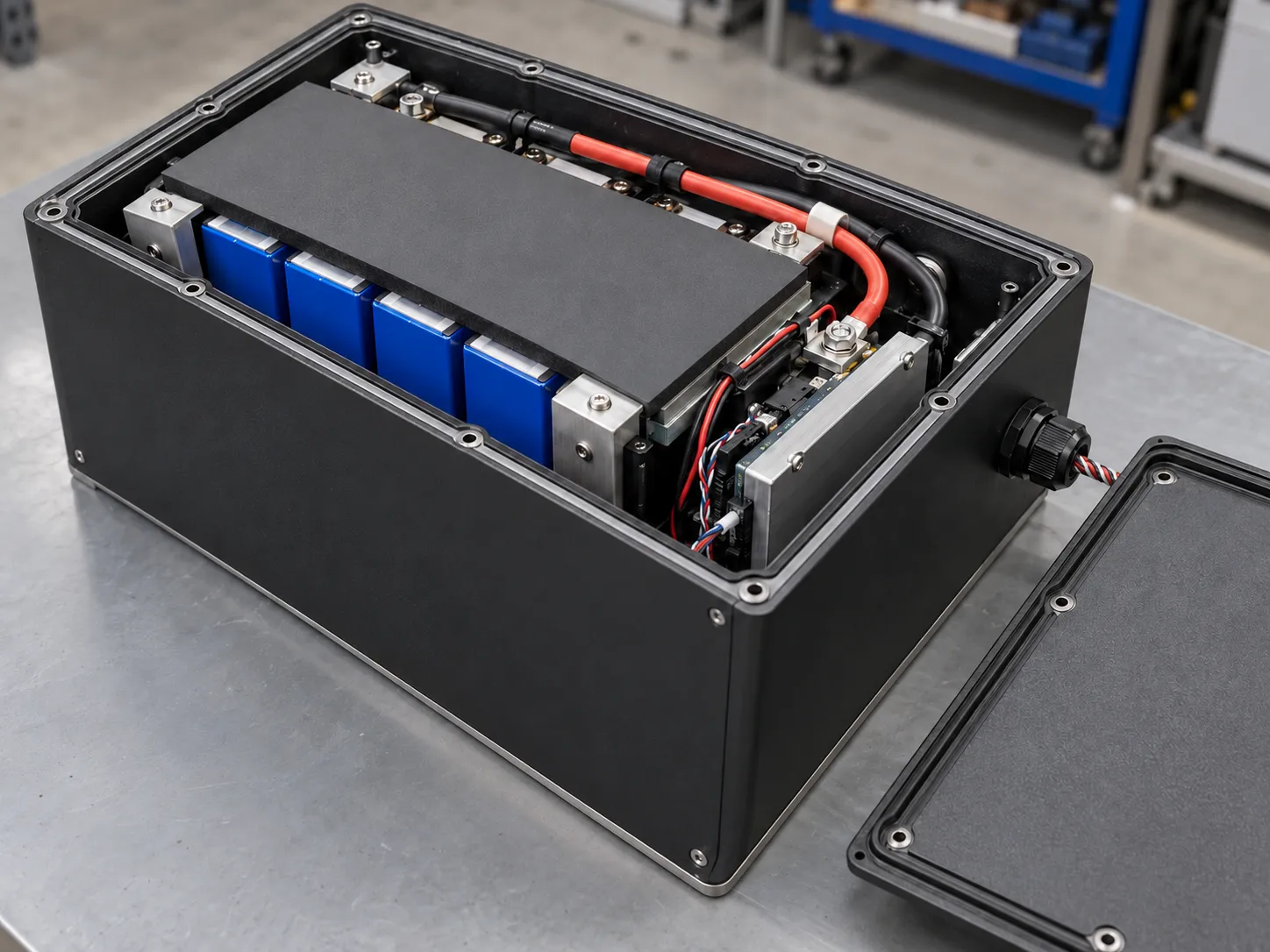
Industrial LiFePO4 solar battery concepts with prismatic cells and compact enclosures
Industrial solar power · Concept visualization

01 / APPLICATIONS

Remote equipment. Real operating demands.

From a lighting schedule to continuous surveillance: specify the duty cycle first, then match the energy reserve, protection and enclosure.

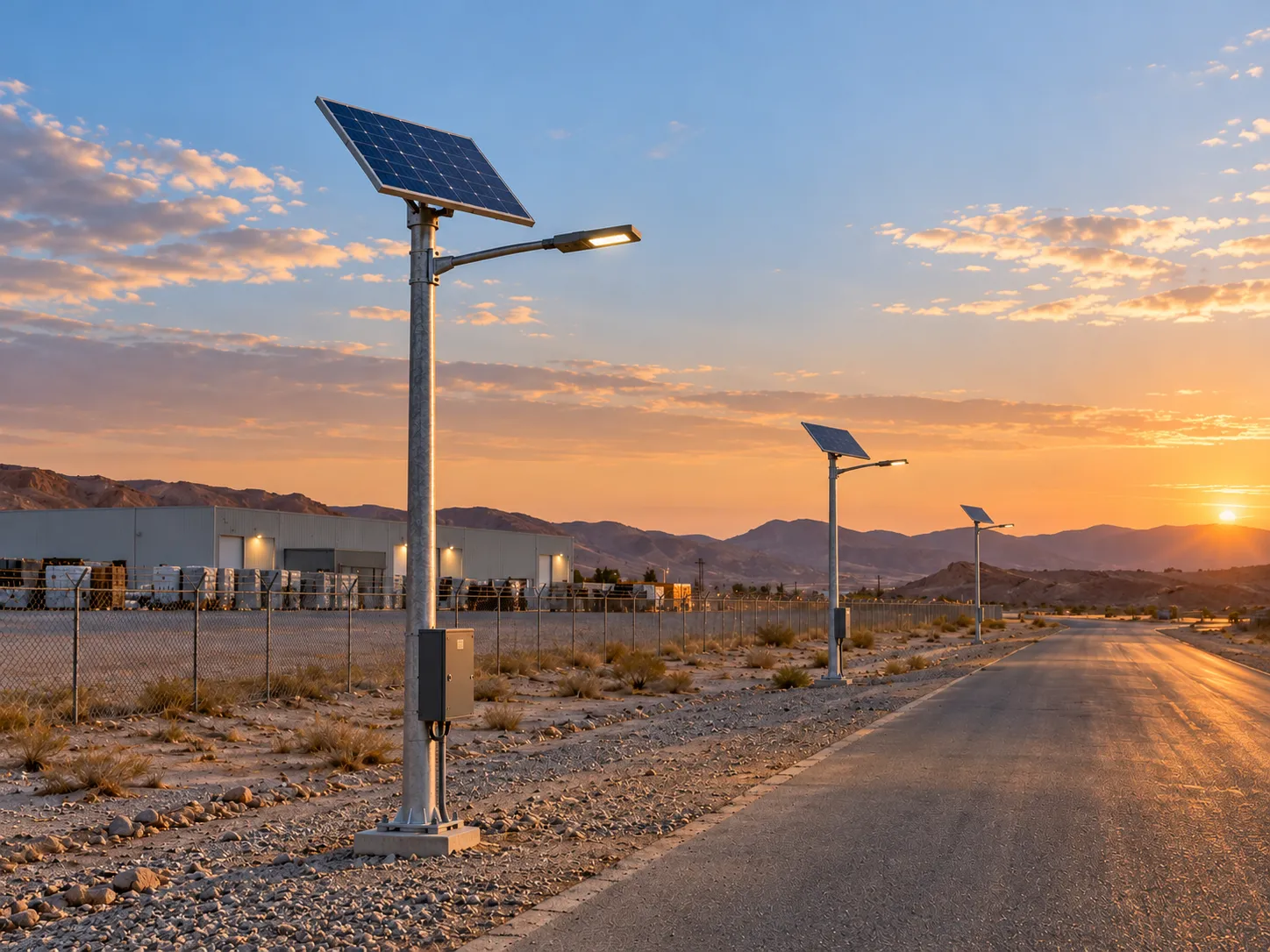
Solar street lighting concept with a pole-mounted battery enclosure

Solar street lighting & hybrid systems

Power after sunset.

Match the LiFePO4 solar battery to the lighting controller, dimming profile and seasonal solar resource.

  • Define nightly operating hours and dimming stages.
  • Include consecutive cloudy days and system losses.
  • Review PV charging limits and mains backup behavior.
Discuss a lighting project
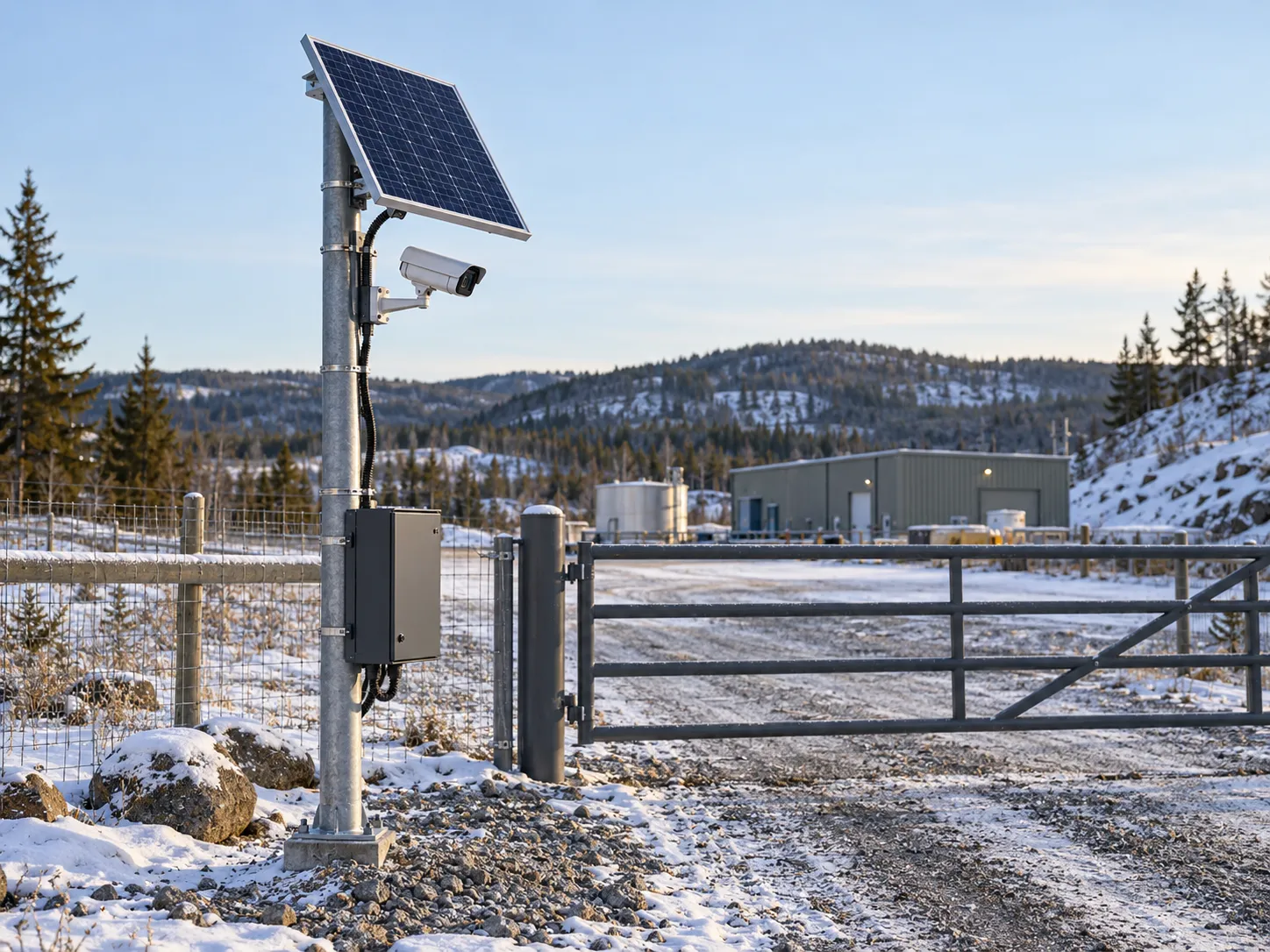
Off-grid solar CCTV concept at an industrial entrance in winter

Off-grid CCTV & security power

Keep remote sites in view.

Size an off-grid CCTV battery around the complete security load, including cameras, network equipment and any auxiliary heating.

  • Account for continuous loads and startup peaks.
  • Separate cold-weather discharge from permitted charging.
  • Review reserve energy and recovery after low-voltage cutoff.
Discuss a CCTV project
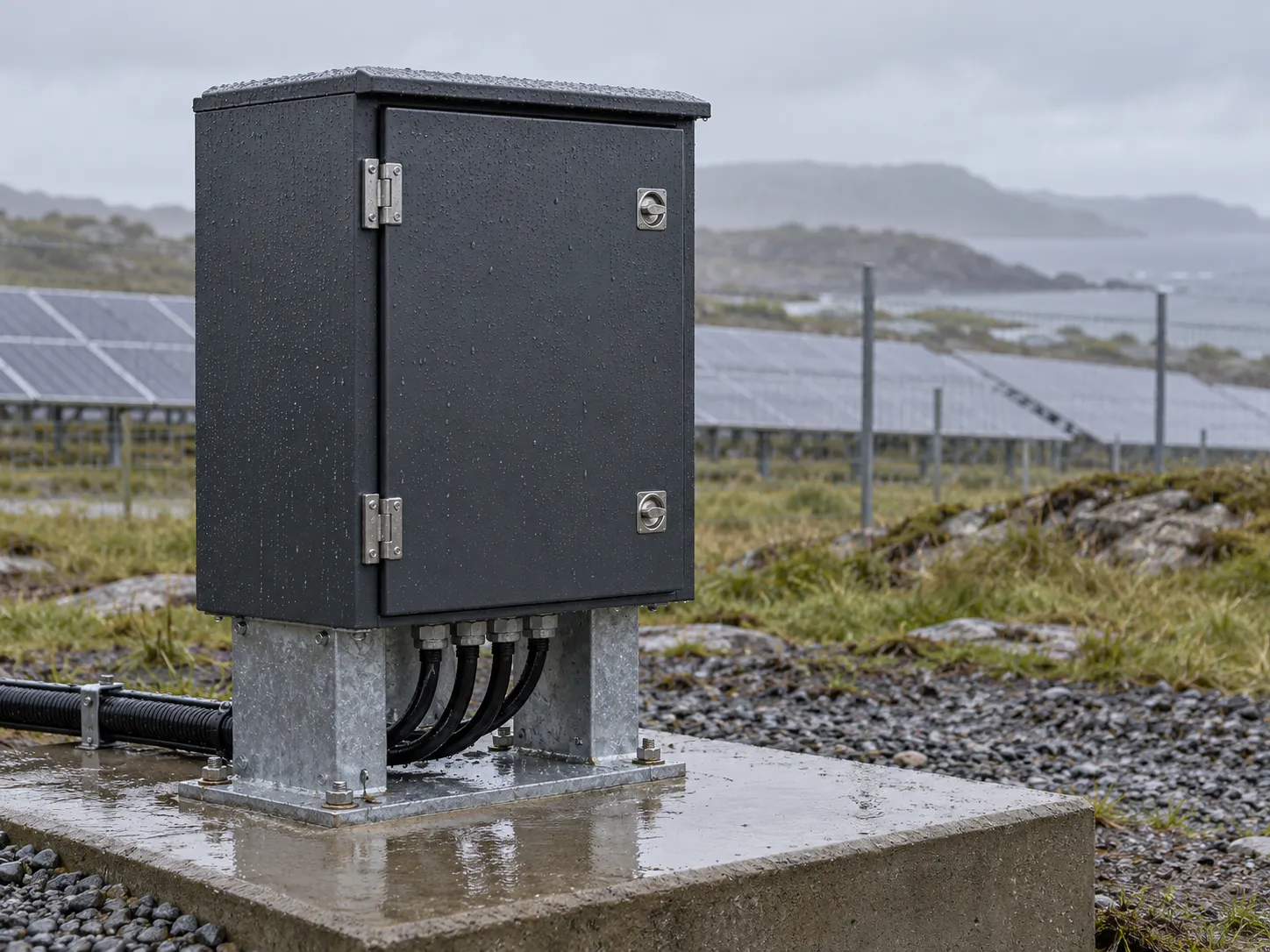
Weather-resistant battery enclosure concept in a rainy outdoor solar installation

Weather-resistant battery enclosures

Designed for the installation.

Align the outdoor battery enclosure with mounting space, cable routing, service access and the actual environmental exposure.

  • Define rain, dust, condensation and solar heat exposure.
  • Select an enclosure protection target and test plan.
  • Assess coastal corrosion and material compatibility separately.
Discuss an outdoor enclosure

AI-generated application concepts; not customer installation photographs.

Concept detail of prismatic cells, BMS wiring and an enclosure gasket
PRISMATIC CELLS · BMS · SEALING CONCEPT

02 / ENGINEERING

Engineer the conditions, not just the capacity.

Cell selection, BMS behavior and enclosure design work together. The engineering review defines model-specific limits before a specification is agreed.

Temperature & charging protection
Review minimum and maximum ambient temperatures, cell temperature and heat buildup inside the enclosure. Discharge and charge limits must be specified separately. Optional heating needs an energy budget and controlled charging enablement.
Sealing & outdoor materials
Choose the required ingress-protection target with cable entries and installed connectors included. Gaskets, condensation control, UV exposure and corrosion resistance require separate design and verification decisions.
BMS & controller communication
Confirm voltage range, current peaks, protection thresholds and restart behavior. Where required, assess an RS485 interface and a compatible protocol such as Modbus, including the actual register map.
Daily cycling & service life
Agree usable energy, depth of discharge, charge/discharge rates and expected temperature profile. Any cycle-life figure needs its test conditions and end-of-life capacity criterion.

Explore custom OEM battery design ↗

03 / SPECIFICATION CHECK

A clear design brief. A model-specific answer.

The following are engineering review inputs and options, not universal ratings for every AJ Power battery pack.

Design itemWhat to defineHow it is confirmed
TemperatureDischarge target, for example −20°C to 60°C; a separate charging window.Project target only. Confirm against the selected cell and complete pack test data.
Cold-weather chargingLow-temperature charge inhibition; optional controlled self-heating.Confirm thresholds, heating power source and energy consumption for the selected design.
Ingress protectionIP65 or IP67 target according to installation exposure.An agreed design option; claim a rating only with corresponding complete-enclosure test evidence.
Cycle lifeDaily cycles, depth of discharge, rates, temperature and capacity retention.Use model-specific cycle results with the test conditions and end-of-life capacity criterion.
CommunicationController electrical interface, protocol and required data points.Verify compatibility and behavior with the actual controller.
ComplianceTransport, electrical safety and market-specific requirements.Confirm applicable standards and documents for the supplied model.

Ingress-protection classifications are defined by IEC 60529. An IP rating does not by itself establish salt-spray resistance or long-term outdoor durability. IEC 60529: standard scope ↗

04 / PROJECT INPUTS

Bring the site conditions. We will review the battery brief.

  1. Climate & sunlight

    Installation location, ambient extremes, enclosure exposure and worst-month solar resource.

  2. Load & autonomy

    Load in W or Wh/day, operating hours, startup peaks and required days without effective solar charging.

  3. Electrical & mechanical

    System voltage, controller model, charging settings, available dimensions, mounting and cable entries.

  4. Duty & integration

    Daily cycle count, target service life, communication requirements and maintenance access.

For location-specific solar-resource estimates, use the European Commission’s PVGIS alongside local site data. Open PVGIS solar-resource tool ↗

PRACTICAL QUESTIONS

Before you choose a solar battery pack.

Can a LiFePO4 battery charge below 0°C?
Do not assume it can. Charging permission depends on the selected cell and pack design. Confirm the model’s charging window and BMS cutoff. A heated design must reach the permitted cell temperature before charging is enabled.
Should I specify IP65 or IP67?
Choose according to the real dust and water exposure. These are different test classifications, not a guarantee against every outdoor risk. Validate the complete enclosure, including installed cable entries, and assess condensation and corrosion separately.
How do I size capacity for cloudy days?
Start with daily load energy and the required no-sun autonomy. Then account for usable depth of discharge, conversion losses, temperature derating, heating and end-of-life reserve. Check that worst-month PV production can recharge the pack.
Will it work with my existing solar controller?
Review the controller’s voltage range, LiFePO4 charging profile, current limits and low-voltage behavior. If communication is needed, verify both the interface and protocol implementation; an RS485 connector alone does not prove compatibility.

START WITH YOUR APPLICATION

A solar battery system that fits the job.

Send the climate, load, autonomy and installation requirements through our contact page. The engineering review will identify the design inputs and evidence needed for your project.

Ready to define your outdoor power requirements?

Submit your solar project specs Browse lithium battery packs ↗Continue to the contact page to share your project details.