
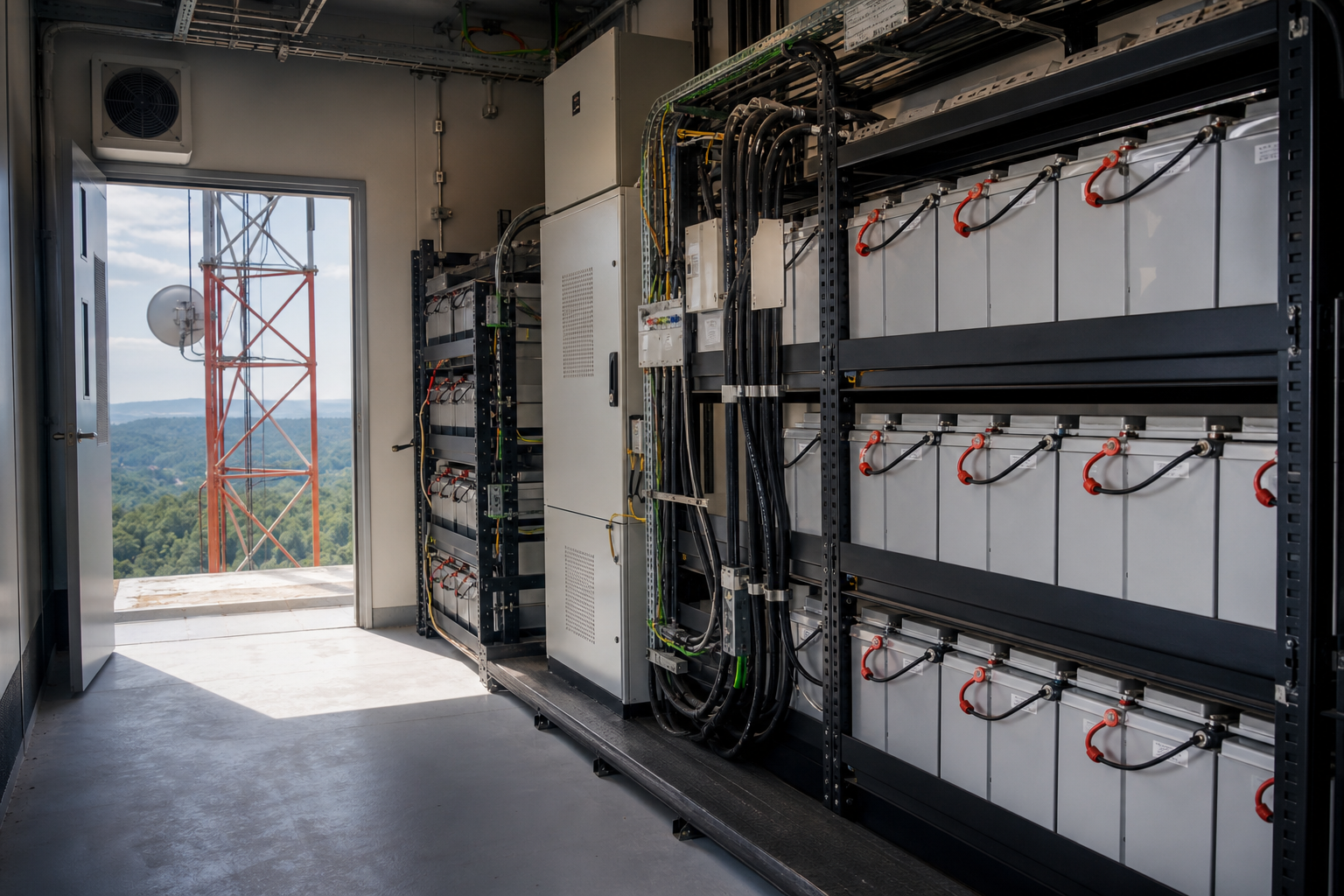
Procurement mistakes in telecom battery backup can lead to site downtime, failed inspections, and costly project delays. Many buyers focus on headline price, but overlook certification gaps, freight class, and spare-part support—each of which can add weeks or thousands to the real delivered cost. A careful buyer verifies every technical and commercial detail before committing.
What drives the cost of telecom battery backup systems?
The main cost drivers for telecom battery backup are battery chemistry, cycle life at a defined depth of discharge, and the scope of certifications. Lithium iron phosphate (LiFePO4) packs rated for 6,000 cycles at 80% DoD typically command a higher initial price than lead-acid, but offer lower cost per cycle when calculated over the system’s service life. Certification to standards like IEC 62619 or UN 38.3 adds to the supplier’s cost base, but is essential for customs clearance and insurance.
To compare costs, request quotations for the same voltage, capacity, and cycle life, then divide the total price by the rated cycle count. This reveals the cost per cycle, which is a more meaningful metric than upfront price alone. Always request a breakdown showing whether certification, packaging, and documentation are included.
- Ask: “Please quote for 51.2V 200Ah LiFePO4, 6,000 cycles @ 80% DoD, with full IEC 62619 and UN 38.3 certification. Break out any additional fees for certification or documentation.”
How do lead times and production schedules impact project risk?
Lead times for telecom battery backup vary by supplier capacity, order volume, and certification status. For example, AJPOWER lists a 7-day sample lead time and 30–45 days for mass production. However, these timelines assume all certifications are in place and no custom engineering is required. If the supplier needs to complete new testing or documentation, add 2–6 weeks to the schedule.
Inexperienced buyers often overlook the impact of holiday shutdowns, cell shortages, or incomplete certification on delivery. Always confirm that the quoted lead time includes all required certifications and packaging for your destination market.
- Ask: “Is the quoted lead time based on certified, ready-to-ship stock, or does it include time for new certification or custom engineering?”
Which certifications are mandatory for telecom battery backup exports?
Most telecom battery backup exports require at least IEC 62619 (for cell and battery safety) and UN 38.3 (for lithium battery transport safety). Some markets or projects may also require CE (EMC and LVD), UL 1973, or local telecom approvals. Missing or incomplete certificates can result in customs holds, site rejections, or insurance refusals.
Always request the actual test reports and certificates, not just a supplier declaration. Verify that the certificate covers the exact model and configuration you are buying, as partial or expired documents are common causes of shipment delays.
- Ask: “Please provide the full IEC 62619 and UN 38.3 test reports for the quoted model, with matching model numbers and validity dates.”
How do technical specifications affect compatibility and site acceptance?
Telecom battery backup systems must match the site’s voltage, capacity, and communication protocol requirements. Common specifications include 48V nominal voltage, 100–200Ah capacity, and RS485 or CAN communication. Environmental ratings (IP54–IP65) and operating temperature range (-20°C to 60°C) are also critical for outdoor or remote sites.
Incompatible BMS protocols or insufficient ingress protection can cause integration failures or warranty disputes. Always cross-check the supplier’s datasheet against your site requirements and request a sample for physical and protocol testing before mass order.
| Parameter | Typical Range | What to Verify |
|---|---|---|
| Voltage | 48V nominal | Matches rectifier and load |
| Capacity | 100–200Ah | Meets runtime requirement |
| BMS Protocol | RS485, CAN | Compatible with site controller |
| IP Rating | IP54–IP65 | Outdoor/indoor suitability |
| Operating Temp | -20°C to 60°C | Site ambient range |
What are the freight and packaging risks for lithium telecom batteries?
Lithium telecom battery backup systems are classified as Class 9 Dangerous Goods under UN 38.3. Improper packaging or missing documentation can lead to shipment rejection or fines. Freight costs are higher for batteries due to DG surcharges and special handling requirements.
Careful buyers confirm that the supplier uses certified packaging, provides the full UN 38.3 test summary, and books with a forwarder experienced in DG shipments. Inexperienced buyers may face unexpected costs or shipment delays if these steps are missed.
- Ask: “Will the shipment be packed to UN 38.3 standards, and can you provide the DG certificate and test summary with the shipping documents?”
How should buyers evaluate supplier support and spare-part availability?
Telecom battery backup systems may require spare BMS boards, connectors, or cell modules over their service life. Lack of spare-part support can extend downtime and increase total cost of ownership. AJPOWER does not maintain overseas stock, so buyers must plan for lead times on replacement parts.
Request a list of recommended spares and typical replacement intervals. Confirm whether the supplier stocks these parts and can ship them under DG regulations. Inquire about technical support response times and escalation procedures.
- Ask: “What spare parts are recommended, and what is the lead time for each? How are warranty replacements handled for international buyers?”
What should be included in a telecom battery backup purchase contract?
A robust contract for telecom battery backup should specify the exact model, voltage, capacity, certification scope, packaging standard, and delivery terms (Incoterms, DG compliance). It should also define acceptance criteria, warranty terms, and support commitments.
Careful buyers attach the supplier’s signed datasheet, test reports, and a list of included documents to the contract. This reduces the risk of disputes over delivered specification or missing paperwork at customs or site acceptance.
- Ask: “Please confirm that the contract will include the signed datasheet, all required certificates, and a packing list with DG documentation.”
Before signing, review all technical specifications, certification documents, and packaging details with your team or a third-party auditor. Confirm that the supplier’s lead time, support, and documentation commitments are written into the contract. This reduces the risk of costly delays or compliance failures in telecom battery backup projects.
Frequently asked questions
What certifications are required for exporting telecom battery backup systems?
Most markets require IEC 62619 for safety and UN 38.3 for transport. Some projects may also need CE, UL 1973, or local telecom approvals. Always verify the certificate matches the exact model.
How can I compare costs between different telecom battery backup suppliers?
Request quotations for the same voltage, capacity, and cycle life. Divide the total price by the rated cycle count to compare cost per cycle, and confirm certification and documentation are included.
What are the main causes of shipment delays for telecom battery backup orders?
Delays often result from incomplete certification, improper packaging for dangerous goods, or missing documentation. Confirm all requirements are met before shipment to avoid customs holds.
AJPOWER-Battery